Sour or Bitter Coffee? Build a Small Tasting Experiment
Taste words are clues, not a complete diagnosis. A controlled comparison helps you decide whether a change improves your coffee.
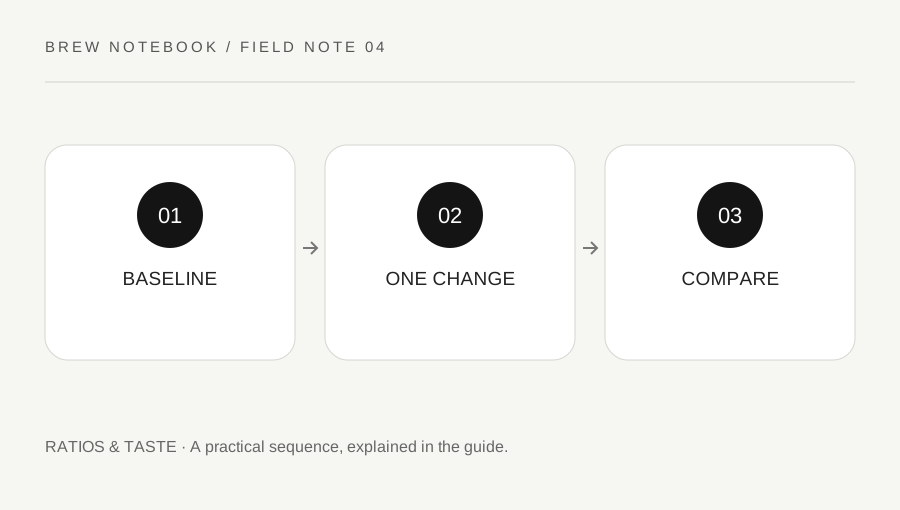
Original explanatory diagram. Numerical examples in this guide illustrate the reasoning; they are not a claim of hands-on testing.
Describe what you notice
Separate concentration, texture and flavor. “Strong” might mean a concentrated drink, a dark roast flavor or simply a bitter finish. A thin drink can still taste harsh, and pleasant acidity can be mistaken for a brewing error. Try naming one specific sensation rather than assigning a single score.
Let the coffee cool enough to taste safely. Record the bag, brew method and recipe alongside the note. Different coffees can have very different intended flavor profiles, so comparing a new light roast with your memory of a dark-roast espresso is not a useful test of one brew variable.
Pick one plausible variable
First confirm measurements and equipment cleanliness. Then select one change: grind, ratio, contact time or a pouring detail. Hold the others steady. If you change grind and ratio together, you will not know which contributed to a better cup.
For example, make a baseline filter brew at 20 g coffee and 320 g water. On the next brew, change only the grinder by one small step and keep the pouring routine similar. Compare your notes. There is no guarantee that one direction fixes every sour or bitter cup, because beans, water and equipment also matter.
Use a two-cup comparison honestly
Label two cups A and B, write the recipes before tasting and compare at similar temperatures. Ask which you prefer and why. “A is clearer; B is fuller but drying” gives you a decision you can repeat. You do not need specialized vocabulary or a claim about extraction yield.
Once you find an improvement, repeat it before changing something else. If several changes make little difference, return to a reliable manufacturer recipe and consider the coffee and water used. The experiment should help you enjoy the drink rather than turn every morning into an endless troubleshooting session.
Make a comparison note that avoids false certainty
Use a small table with columns for recipe, observed difference and preference. For brew A, record the baseline. For brew B, record one deliberate change and any accidental difference. If B had a different water temperature because you became distracted, include it rather than attributing the entire taste change to grind.
Taste both at similar comfortable temperatures. You might prefer A when hot but B after cooling. That is useful information about your drinking habit, not evidence that one cup is objectively correct. If someone else tastes with you, let them write a note before seeing your preference.
End with a modest conclusion: “I preferred the slightly fuller B on this coffee and brewer.” Avoid “all sour coffee needs this setting” or a precise extraction claim you did not measure. Repeat a promising result on another day before making it your baseline. If the difference is too small to identify reliably, you can keep the simpler routine. The exercise is meant to improve a daily drink, so a clear preference is more valuable than forcing a technical explanation for every sensation.
A practical checklist
Tick items for your own use. This checklist is saved only in this browser.
Questions that come up
Is every sour cup under-extracted?
No single taste word establishes the cause. Coffee character, concentration, water and brewing choices can all affect what you perceive.
What if I cannot taste a reliable difference?
Keep the simpler or more repeatable routine and try again another day. An uncertain result is better than inventing a confident conclusion.
Can roast character resemble a brewing problem?
Yes. Roast, bean character and preparation all influence flavor. Compare a stable recipe on the same coffee before diagnosing one variable.
References & scope
Background references checked on 18 October 2026. The examples and practice exercises are original editorial explanations, not copied procedures or professional advice.