Coffee-to-Water Ratio: Calculate a Starting Point in Grams
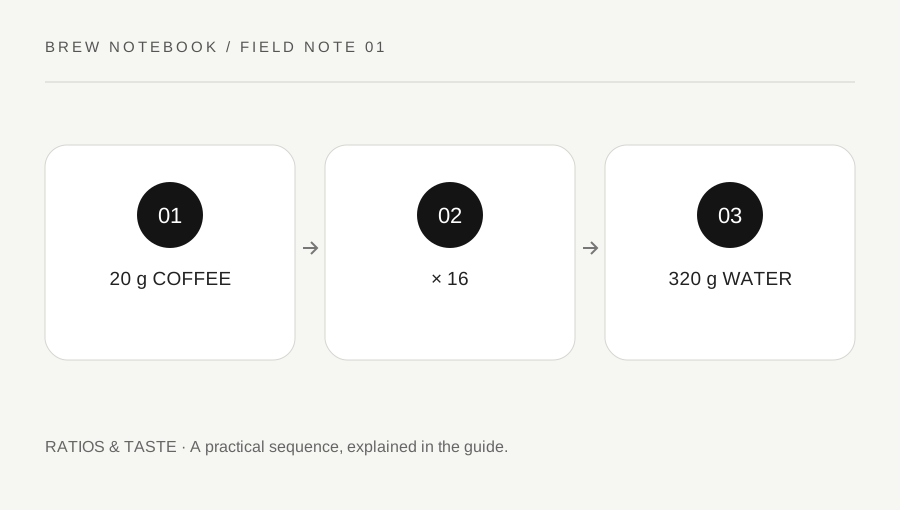
A ratio makes a coffee recipe easier to repeat. It describes how much brewing water you use for each gram of dry coffee, not the amount of drink left in the cup.
Read the complete guide ↗Understand coffee ratios, compare brewing methods and make repeatable changes to your everyday cup.
Explore the detailed guides ↗Clear explanations · Worked examples · Practical tools

Editorial photograph: tommao wang / Unsplash. Illustrative scene; not a photograph of our own testing.
20 complete guides.
20 complete guides in this journal.
A ratio makes a coffee recipe easier to repeat. It describes how much brewing water you use for each gram of dry coffee, not the amount of drink left in the cup.
Read the complete guide ↗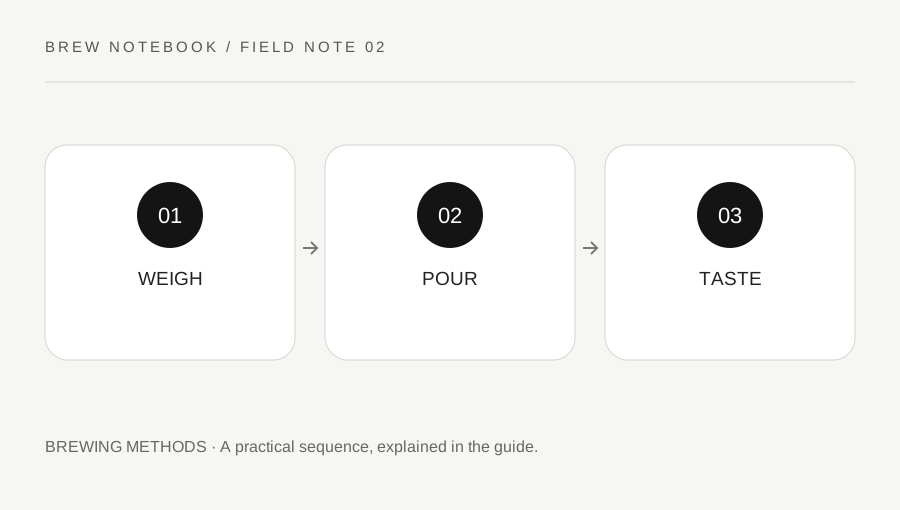
A simple, recorded routine makes it easier to understand a pour-over. Begin with stable quantities and a safe setup, then adjust from the result.
Read the complete guide ↗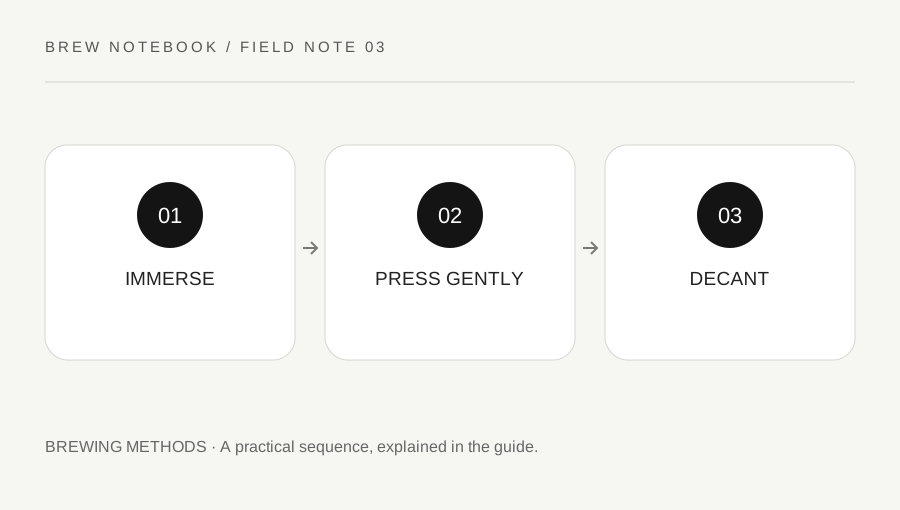
A French press keeps grounds in contact with water and separates them with a mesh filter. The texture will differ from paper-filtered coffee.
Read the complete guide ↗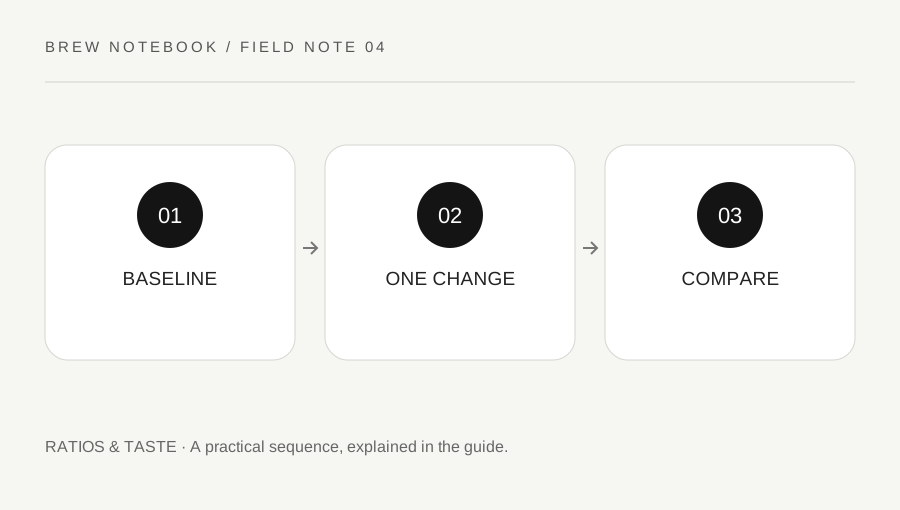
Taste words are clues, not a complete diagnosis. A controlled comparison helps you decide whether a change improves your coffee.
Read the complete guide ↗
A storage routine works best when it matches how much coffee you actually brew. Begin with a realistic bag size and consistent handling.
Read the complete guide ↗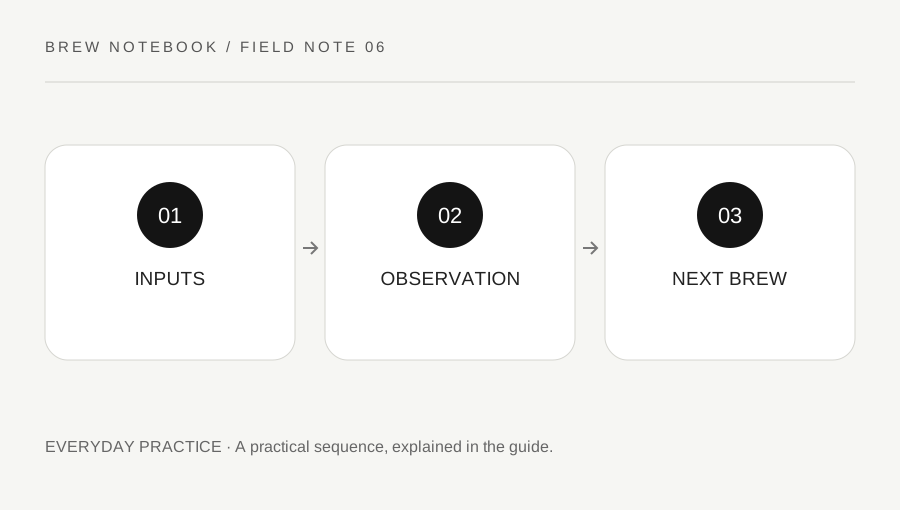
The best brew note is short enough to use and specific enough to change your next decision. Record inputs, then one observation.
Read the complete guide ↗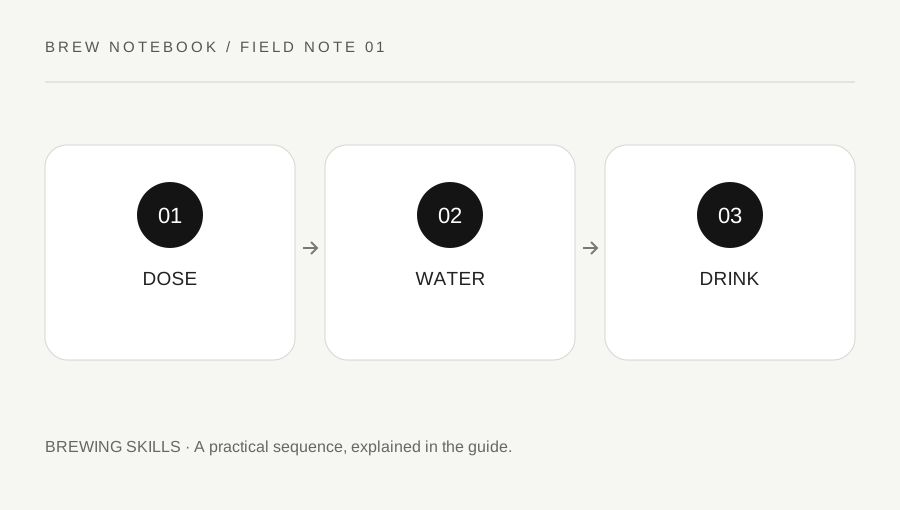
A scale makes a recipe repeatable only when you know what is on it and when you reset it. Keep the coffee dose, added water and finished drink as separate measurements.
Read the complete guide ↗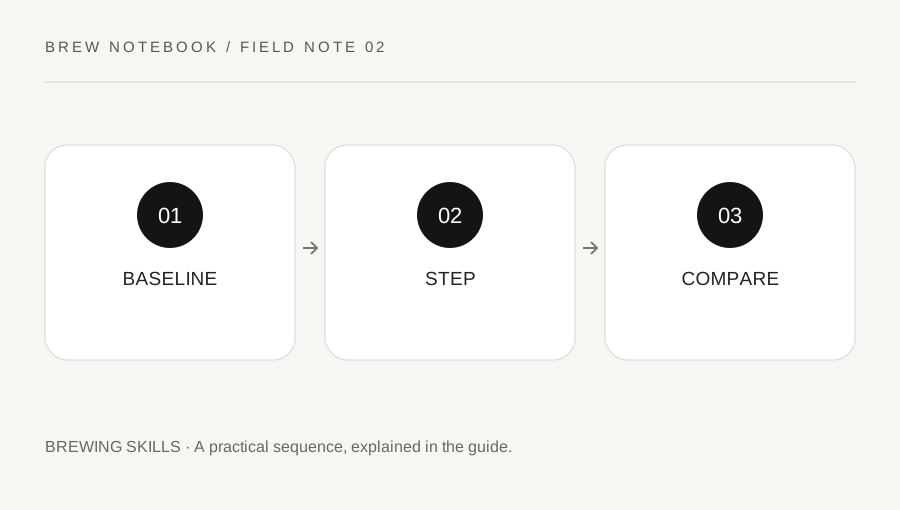
Grind markings are references within a particular grinder, not universal recipe numbers. Keep the coffee and brew method steady while testing one sensible adjustment.
Read the complete guide ↗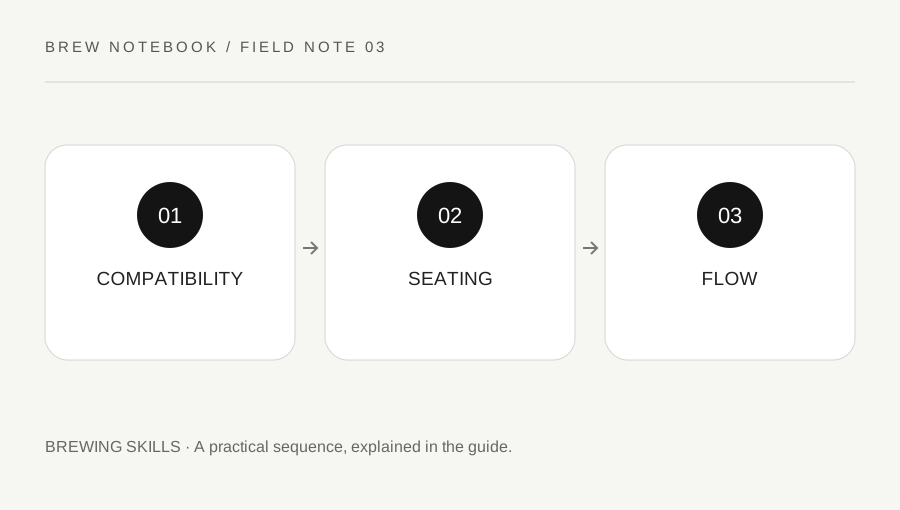
The right filter needs to fit the actual brewer and sit as intended. A collapsed paper or an unsuitable replacement can change the brew before grind and ratio become useful questions.
Read the complete guide ↗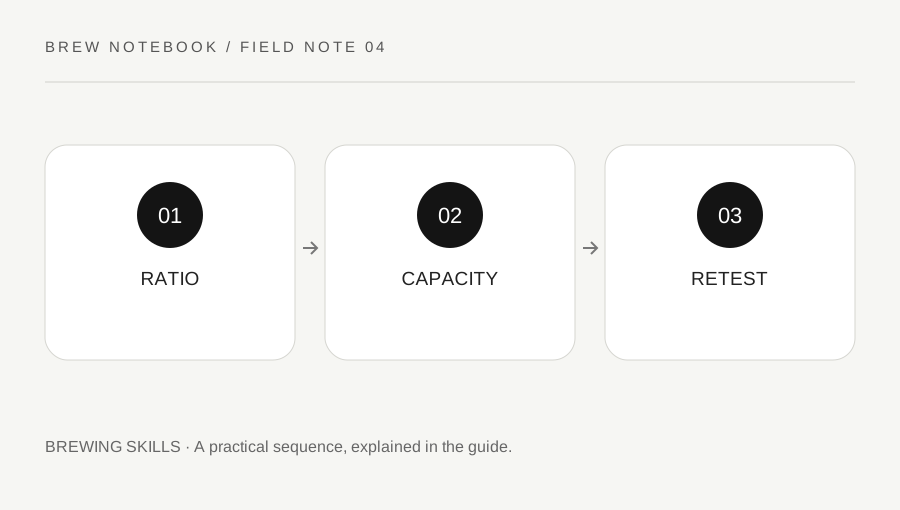
A ratio can scale arithmetically while the physical brew changes. Check brewer capacity, filter fit and the larger coffee bed before expecting an identical cup from a doubled recipe.
Read the complete guide ↗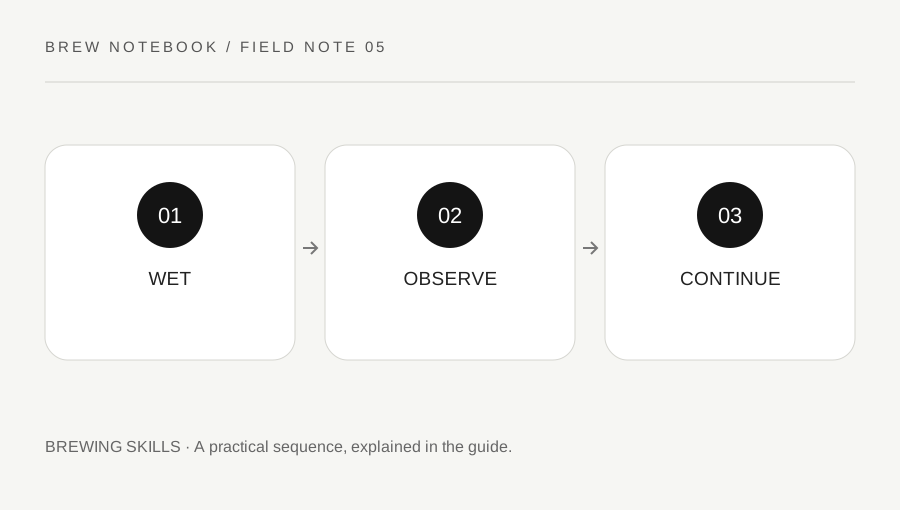
The first wetting step is part of a brew method, but visible bubbling is not a complete quality score. Follow a sensible plan and compare the cup rather than treating foam as proof of freshness or success.
Read the complete guide ↗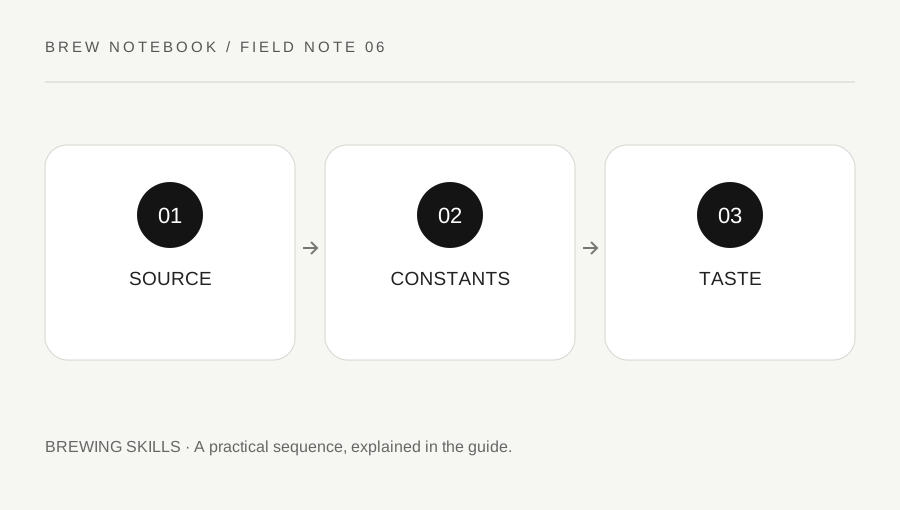
Water is part of the recipe, but a comparison needs a safe source and a consistent method. Keep the question practical and avoid turning one tasting preference into a universal water formula.
Read the complete guide ↗
A temperature setting is useful when it is part of a repeatable method. Follow equipment instructions, handle hot water carefully and compare one change rather than treating a single number as ideal for every coffee.
Read the complete guide ↗
Filter material can change the cup and the routine, but the comparison needs a compatible brewer. Keep the recipe clear and judge texture and flavor as preferences rather than a universal ranking.
Read the complete guide ↗
Hot-brewed coffee served over ice needs a deliberate water plan. Keep brewing water, ice and finished drink measurements separate instead of adding ice and expecting the original strength to remain unchanged.
Read the complete guide ↗
A decaf bag still has a roast, source and brewing behavior worth recording. Start with a suitable method and compare it on its own terms instead of assuming one old grinder setting must work unchanged.
Read the complete guide ↗
A moka pot is a heated pressure-based brewer, so the manufacturer’s setup and safety instructions come first. Use them to build a modest repeatable routine rather than improvising modifications.
Read the complete guide ↗
A small coffee press can inspire many experiments, but the first useful record is a supported routine you can repeat safely. Identify the model, use a suitable vessel and keep the recipe labels clear.
Read the complete guide ↗
A useful espresso baseline records what went in and what came out. Start with the machine and basket instructions, then compare a small controlled change rather than chasing a universal shot number.
Read the complete guide ↗
A grinder’s cleaning route depends on its design. Use the manufacturer’s instructions, keep liquids and improvised materials out unless explicitly supported and record what changed before judging the next brew.
Read the complete guide ↗Read the explanation, inspect the example and use the checklist at your own pace. Our guides make assumptions visible and explain when a general suggestion may not fit. How this journal is made ↗