Store Coffee Beans with a Simple Buy, Seal and Use Routine
A storage routine works best when it matches how much coffee you actually brew. Begin with a realistic bag size and consistent handling.
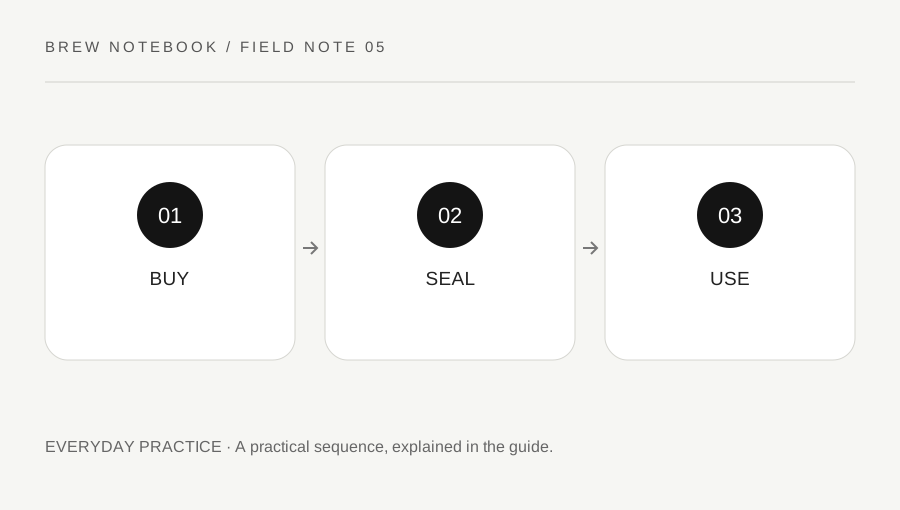
Original explanatory diagram. Numerical examples in this guide illustrate the reasoning; they are not a claim of hands-on testing.
Calculate your household use
Estimate the dry coffee you use each day. A 20 g daily brew uses 140 g in a week; two such brews use 280 g. This arithmetic helps you compare bag sizes without treating a larger package as automatically better value. Consumption changes when guests visit or you switch brewing methods.
Write the roast date if supplied, the opening date and the coffee name on a small label. Roast and opening dates are different facts. Avoid inventing a universal freshness deadline: packaging, roast, storage conditions and personal preference all affect how the coffee develops.
Protect the coffee between brews
Follow the supplier storage advice. A well-sealed container in a cool, dry, dark place is a practical starting arrangement. Keep it away from a hot oven, steam from a kettle and strong-smelling products. Close the bag or container promptly after weighing your dose.
Do not repeatedly expose a large supply to moisture or move it between very different temperatures without a plan. If you choose to freeze portions, use the supplier guidance on packaging and handling. The everyday goal is consistent storage rather than a complicated ritual that is difficult to maintain.
Compare flavor without rewriting the recipe
Keep a short tasting note when you open a bag and another later in the bag. Use the same brewer and baseline recipe for the comparison. If flavor changes, record it before making a grind adjustment; otherwise you may confuse the storage observation with a recipe change.
An original buying exercise is to compare a small bag finished comfortably with a larger bag that remains open longer than you prefer. Include the cost of unused coffee in your decision. Choose the size that supports enjoyable, repeatable brews instead of chasing an exact age at which every bean is supposedly at its best.
Compare bag size with actual weekly use
At one 18 g brew each day, you use 126 g per week. A 250 g bag is therefore approximately two weeks of coffee at that routine, while a 1 kg bag lasts much longer. If your weekend routine differs, adjust the estimate instead of treating the arithmetic as a calendar guarantee.
Include practical factors in the comparison: whether the package reseals well, how much storage space you have and whether you regularly switch coffees. Buying a larger bag may reduce the unit price but can leave more coffee open than you enjoy using. Wasted coffee belongs in the real cost of the purchase.
Keep the opening date and a short baseline recipe together. If you later adjust the grind, record the date and the reason. This makes it easier to separate a storage observation from a recipe adjustment. Do not claim a universal best day after roasting from one bag. Instead, use your notes to choose a purchasing and storage routine that works for your consumption, packaging and taste preferences. Revisit the plan when your household use changes.
A practical checklist
Tick items for your own use. This checklist is saved only in this browser.
Questions that come up
Should every bag go in the refrigerator?
Follow the supplier advice. Repeated moisture and odor exposure can complicate storage; a consistent sealed storage routine is the starting point.
Is the roast date the same as the opening date?
No. Record both if available. They describe different parts of the coffee’s storage history.
Does a larger bag always save money?
Only if the amount and storage suit your use. Include unused coffee and your preferred flavor window in the decision.
References & scope
Background references checked on 18 October 2026. The examples and practice exercises are original editorial explanations, not copied procedures or professional advice.