Coffee Bloom: Keep the Wetting Step Consistent Before Chasing Bubbles
The first wetting step is part of a brew method, but visible bubbling is not a complete quality score. Follow a sensible plan and compare the cup rather than treating foam as proof of freshness or success.
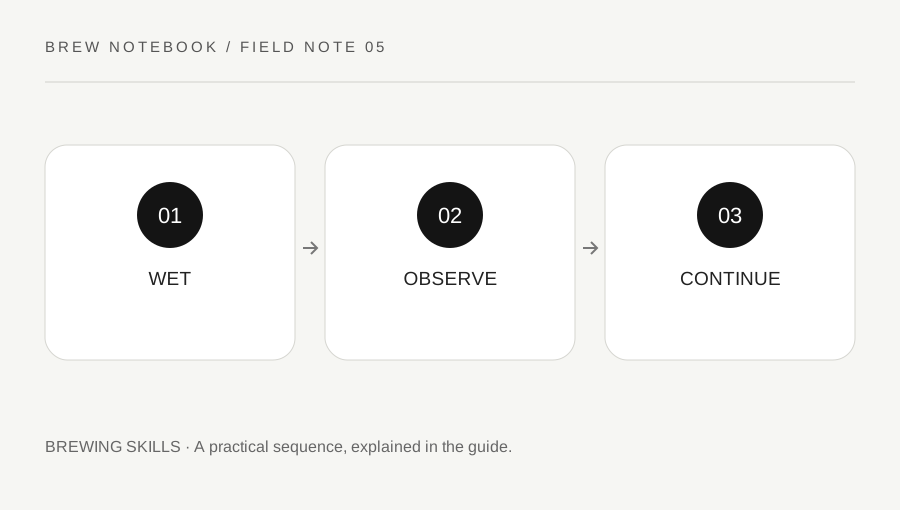
Original explanatory diagram. Examples illustrate a method or decision; they are not claims of personal testing.
Start with the method’s intended first step
Read a reliable guide for the actual brewer and coffee method. If it includes an initial wetting or bloom stage, write the water amount and timing as part of the recipe. Keep cumulative and individual water additions clearly distinguished. A pause has little value as a measurement if you cannot tell how much water was already included in the total.
Prepare the supported filter and stable vessel first. Use controlled safe pouring and avoid chasing every dry-looking spot with an unrecorded extra amount. The first stage should fit within the overall water plan. A visually dramatic bed is not a reason to abandon the method or exceed the equipment's practical capacity.
Record appearance without overinterpreting it
Notice whether the grounds wet evenly and whether gas visibly escapes, but keep those observations descriptive. Coffee age, roast, grind and handling can all complicate a simple visual judgment. Do not claim that a large bloom proves superior coffee or that a quiet bed establishes a particular storage failure. The tasting result and source information remain separate evidence.
If a problem is visible, such as dry clumps or water bypassing a poorly seated filter, record it and inspect the setup. Avoid adding several stirring and swirling actions solely to make the bed look like a video demonstration. Extra movement is a recipe change and should be supported by the method and noted in the log.
Use an illustrative two-brew comparison
Imagine a user wants to understand whether their first wetting step is consistent. They use the same coffee, dose, input water, grind reference and supported brewer on two occasions. They record the planned first addition and the rest of the pour schedule, then compare the cup at a similar comfortable temperature.
One brew bubbles more visibly, but the preferred flavor does not follow the appearance in a simple way. The useful finding is not that bubbles are meaningless; it is that a single visual sign did not establish a complete quality conclusion. If the user wants another experiment, they change one justified factor and retain the original baseline rather than building a rule from one pair of cups.
Keep the step in proportion to the whole brew
A careful initial wetting cannot compensate for an unsupported filter, inaccurate dose or an entirely different water input. Review the complete routine before assigning all flavor differences to the bloom. The NCA's pour-over guide provides method context, while the exact brewer's instructions remain important for the physical setup.
Keep the home log concise: first addition, pause if used, notable wetting issue and the resulting preference. Do not turn every cup into a complicated experiment unless that is the activity you enjoy. A useful bloom routine is one you can repeat safely and explain clearly, with the sensory result assessed honestly and no promise that a particular number of bubbles guarantees a better drink.
Choose a timer start and keep it
Write whether timing starts at the first water contact or another defined point in the chosen method. A pause described as thirty seconds is ambiguous if one brew starts the timer after the pour and another starts before it. These example timings explain the convention, not a recommended bloom duration. Keep the reference simple and consistent, and record interruptions. A clear timer definition can make two ordinary home brews more comparable without pretending that seconds alone determine how the final cup will taste.
A practical checklist
Choices are saved in this browser. Reset them here or clear this site’s browser storage.
Questions that come up
Does more bubbling prove better coffee?
No. Treat appearance as one observation rather than a complete measure of freshness or cup quality.
Can I add extra bloom water without changing the ratio?
Only if it is accounted for within the planned total. Unrecorded additions change the input recipe.
Should every method use the same bloom pause?
No. Follow a suitable method for the actual brewer and compare your own repeatable routine.
References & scope
Background references checked on 18 October 2026. Worked examples and diagrams are original teaching material.